All Categories
Featured
Essential Medicare Enrollment Advice in 2026
Table of Contents
Understanding the distinctions in between particular health plans, like an HMO and a PPO plan, is required to secure the right health protection for you, your household, or your workers. In this post, we'll walk you through the key distinctions between HMO and PPO plans, review their advantages and disadvantages, and show you how each plan deals with a health repayment arrangement (HRA).
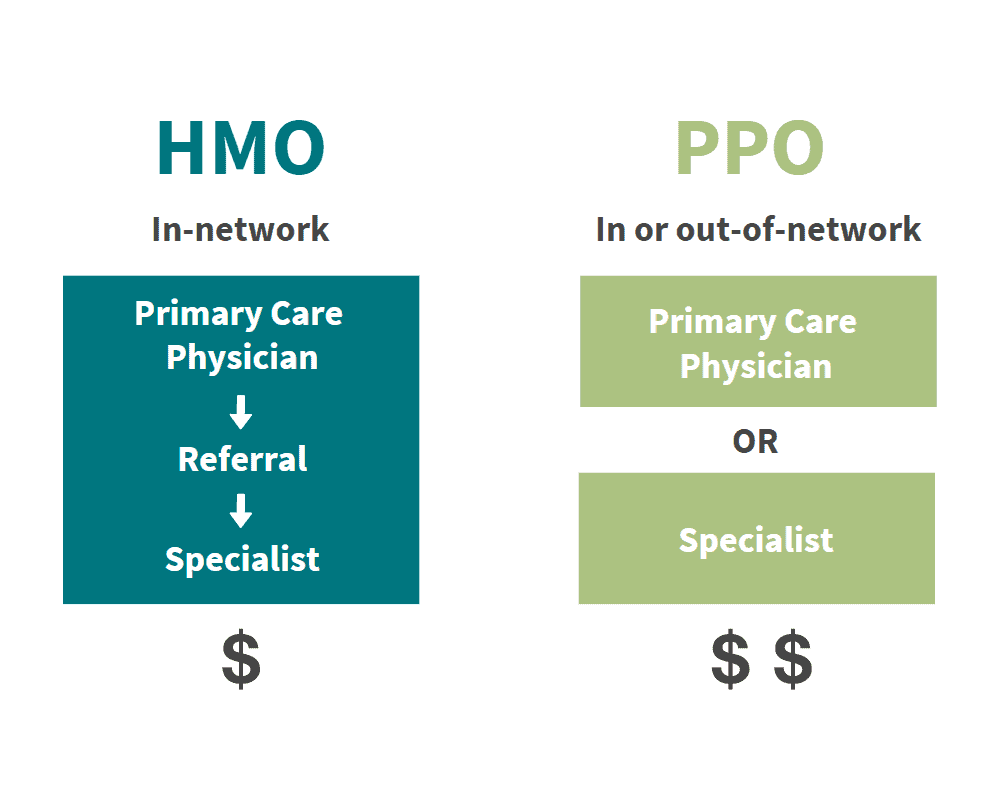
Because of this, these policies offer lower premiums and out-of-pocket expenses. PPO plans provide more flexibility in selecting health suppliers and services than HMO plans. But, they often have higher premiums and deductibles, and need insurance policy holders to file their own claims for out-of-network care, which can be made complex and lengthy.
An HMO is a kind of health strategy where a group of network doctors, healthcare facilities, and other medical care providers agreement with an insurance coverage service provider to provide policyholders different covered services and items in exchange for a premium. Companies within the HMO network accept provide care to policyholders at a lowered rate.
In 2023, 13% of employees in the U.S. with health insurance coverage registered in an HMO plan1. Since these policies generally have lower premiums and out-of-pocket expenses compared to other kinds of health strategies, they can appear like an attractive choice for those looking for protection. But, the lower overall costs included specific restrictions.
Understanding 2026 Medicare Benefit Rules for Seniors
Their HMO also will not cover the expenses of out-of-network care or treatment from an expert that took place without a PCP recommendation, except if a policyholder requires emergency situation care. Before determining if an HMO suits you or your company, you need to take a look at the advantages and disadvantages. HMO strategies usually have low premiums and copayments.
Your strategy will likewise normally cover in-network specialist care with only a small copay for services. When you enlist in an HMO plan, you have to pick a PCP who will be your primary point person to connect to when you need care. In return, they coordinate your care, manage your overall treatment, and make recommendations for experts.
Additionally, your PCP acts as your medical advocate, and you might establish a strong bond with them, leading to you getting much better and more consistent care. While these advantages of HMO plans might appear attracting, there are potential downsides that you should consider before enrolling. If you desire your HMO to cover the cost of your care, you should receive care from a specific network of service providers in your location.
If you see a non-network company, you'll be responsible for your entire bill without the help of your insurance provider. If you need to go to a specialist for treatment, you must ask your PCP for a recommendation for an in-network specialist in advance. If your PCP doesn't refer you, you should pay the entire cost of the costs alone, which can be pricey.
Nevertheless, your policy will detail the circumstances that it thinks about an emergency. If your emergency doesn't fit the criteria in your plan, you'll need to pay the bill on your own. In 2023, the typical annual premium for a group HMO plan was $8,203 for self-only coverage and $23,758 for family coverage2.
Smart Financial Security with Life Insurance
Like other types of health strategies, HMO policies may have an annual deductible. A deductible is the set amount of cash a plan participant should pay out-of-pocket before their insurance company begins to cover their medical care costs.
KFF discovered that 33% of individuals registered in a self-only HMO do not have a deductible3. The 2023 out-of-pocket maximum for an Affordable Care Act (ACA) Marketplace plan was $9,100 for self-only coverage and $18,200 for household coverage4. In 2024, the maximum out-of-pocket limitation increased to $9,450 for individuals and $18,900 for families.
A PPO policy is a kind of health plan in which an insurance coverage company contracts with medical professionals, health care professionals, and medical centers to create a list of "preferred" healthcare service providers for insurance policy holders. When individuals with a PPO strategy get treatment from an in-network supplier, their health insurer pays the service provider at an agreed-upon minimized rate.
PPOs are the most typical strategy that companies offer. In 2023, 47% of people with a group health insurance strategy have a PPO2. These strategies are popular due to the fact that they don't require members to pick a PCP before enrolling and enable members to pick from a larger variety of in-network companies than they can with an HMO strategy.
The out-of-pocket costs for these services are more expensive. PPO plans offer numerous benefits that make getting medical care a hassle-free and favorable experience. Let's explore some of them listed below. PPO strategies have a wide network of providers offering the same types of medical services with set similar costs.

Latest Posts

Planning Expense and Burial Insurance Options
Finding Accurate Individual Life Insurance Quotes

Best Indexed Universal Life Plans for Retirement